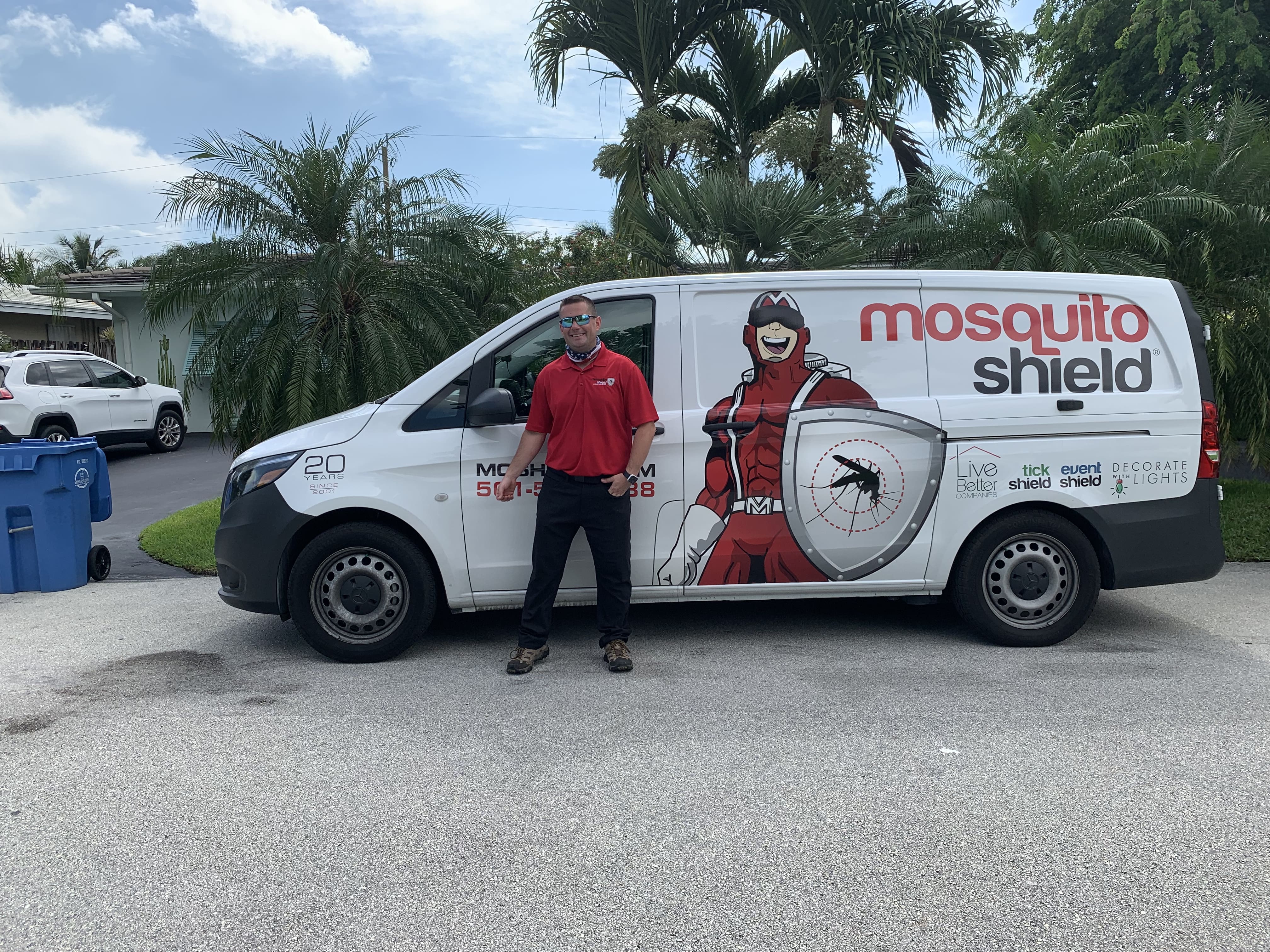
Eric holds a degree in Pest Control Technology from the University of Florida and carries all five Florida pest control license categories: General Household Pest, Rodent, Lawn & Ornamental, Wood Destroying Organisms, and Public Health (License JB313837). He personally developed Mosquito Shield's proprietary Mosquito Protection Blend and has been treating South Florida properties for over a decade. When he is not in the field, he is behind every piece of content on this site.
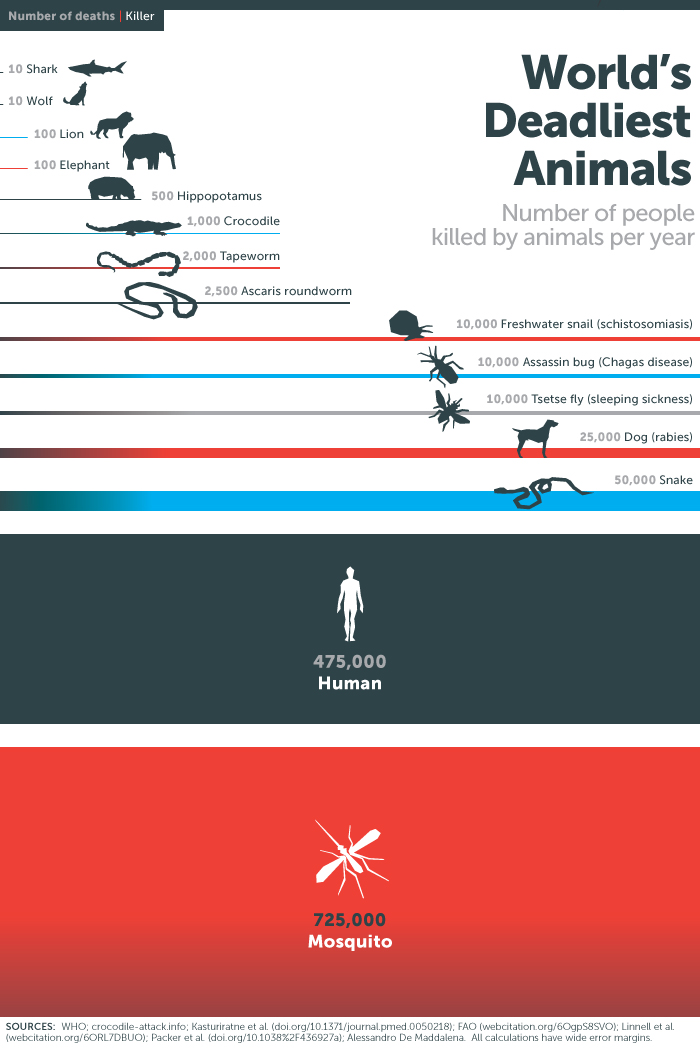
Florida ranks among the highest-risk states in the US for mosquito-borne illness. The combination of warm temperatures, heavy rainfall, year-round mosquito activity, and a constant flow of international travelers creates conditions where diseases like West Nile virus, dengue, and Zika can circulate. Here's what's actually present in Broward and Palm Beach counties — and what you can do about it.
Diseases Active in South Florida
How to Protect Your Family
No single measure eliminates mosquito-borne disease risk, but layered protection works well:
Reduce breeding sites
Eliminate standing water on your property. Mosquitoes need very little water to breed — a clogged gutter, a plant saucer, a tarp puddle.
Professional barrier spray
Regular treatment suppresses the adult mosquito population in your yard, reducing overall bite exposure throughout the season.
Personal repellent
Use EPA-registered repellents (DEET, picaridin, IR3535) when spending time outdoors, especially around dawn and dusk.
Cover up
Long sleeves and pants during peak biting times (dusk and dawn) significantly reduce exposure. Light colors are slightly less attractive to mosquitoes.
Maintain screens
Make sure window and door screens are intact and without gaps. Check for tears, especially in older mesh.
Monitor local alerts
The Florida Department of Health tracks mosquito-borne disease activity by county. Broward and Palm Beach health departments issue alerts during elevated-risk periods.
Common Questions
Are mosquito-borne diseases common in Florida?+
Florida has a higher risk than most US states due to its subtropical climate, year-round mosquito populations, and significant international travel and trade through Miami. West Nile virus is detected in Florida every year. Dengue outbreaks have occurred in Miami-Dade and Key West. Zika was locally transmitted in Miami in 2016–2017. The risk is real but manageable with proper protection.
What is the most common mosquito-borne disease in South Florida?+
West Nile virus is the most consistently detected mosquito-borne disease in South Florida. It circulates annually in Broward and Palm Beach counties, primarily through Culex quinquefasciatus mosquitoes feeding on infected birds then biting humans. Most infected people (about 80%) have no symptoms, but serious neurological disease is possible in a small percentage.
Has dengue been found in Broward or Palm Beach County?+
Yes. While the largest recent dengue clusters have been in Miami-Dade, Broward and Palm Beach counties have also had confirmed locally-acquired cases. The primary vector, Aedes aegypti, is present throughout South Florida including Boca Raton and Fort Lauderdale. Dengue cases from returning travelers are reported every year across the region.
Does professional mosquito spray reduce disease risk?+
Yes. Reducing the overall mosquito population in your yard directly reduces your exposure to bites — which is your primary risk of infection. Our service targets the species most associated with disease transmission (Aedes and Culex) and keeps populations suppressed through the season. It's one layer of protection that works alongside personal repellent use.
What are symptoms of West Nile virus?+
About 80% of people infected with West Nile virus have no symptoms. Of those who do get sick, most experience fever, headache, body aches, and fatigue (West Nile fever). Less than 1% develop neurological complications (encephalitis or meningitis), which are serious. Older adults and immunocompromised individuals are at higher risk for severe disease.
This post is for general educational purposes. For medical advice or to report suspected mosquito-borne illness, contact your healthcare provider or the Florida Department of Health in your county.