Pest Guide 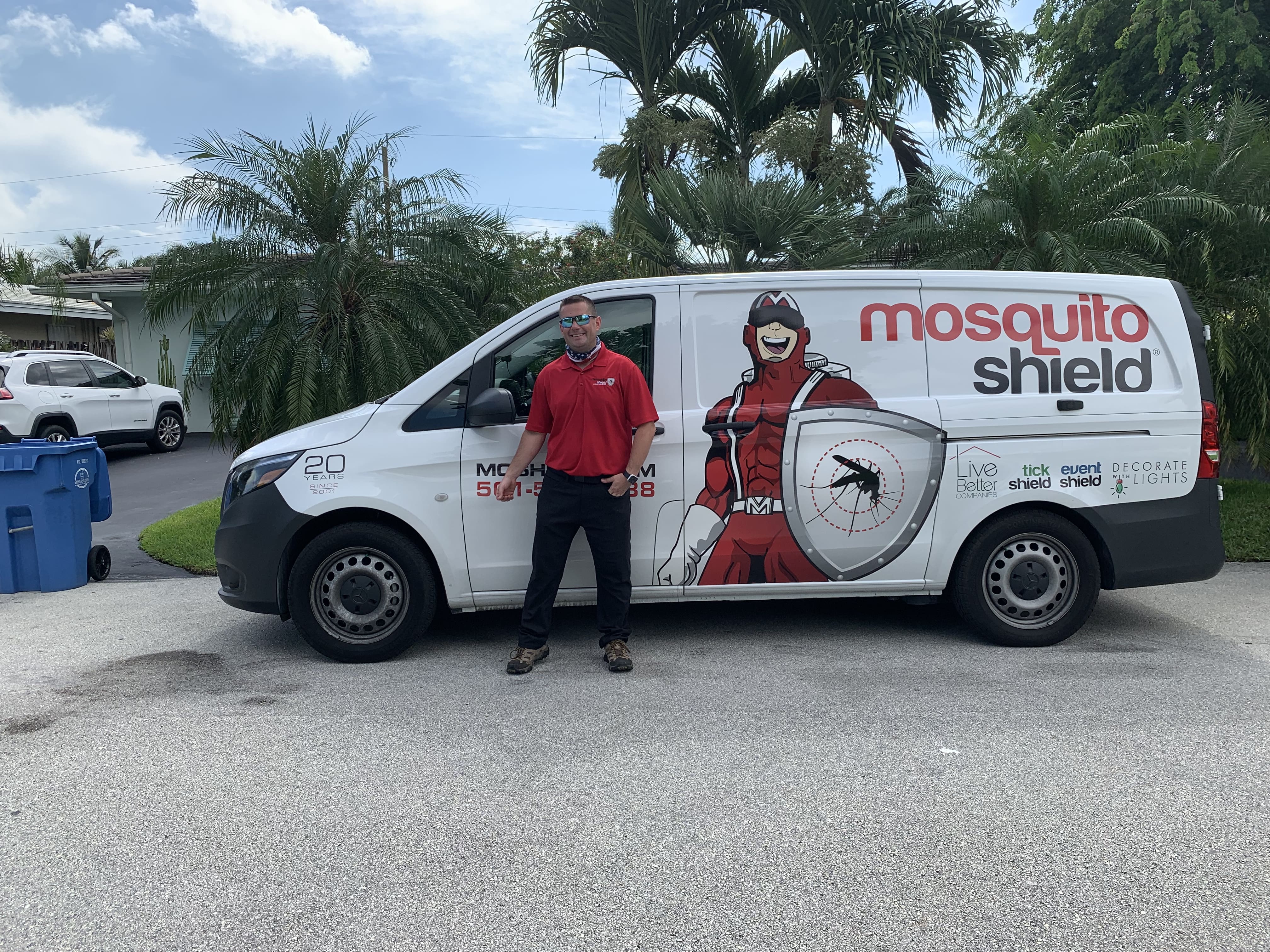
Eric Vincent
Owner & Licensed Pest Control Operator
Eric holds a degree in Pest Control Technology from the University of Florida and carries all five Florida pest control license categories: General Household Pest, Rodent, Lawn & Ornamental, Wood Destroying Organisms, and Public Health (License JB313837). He personally developed Mosquito Shield's proprietary Mosquito Protection Blend and has been treating South Florida properties for over a decade. When he is not in the field, he is behind every piece of content on this site.
UF Pest Control TechnologyLicense JB313837General Household PestRodentLawn & OrnamentalWood Destroying OrganismsPublic Health
South Florida has no winter to slow rodent populations down. Roof rats, Norway rats, and house mice are active year-round in Broward and Palm Beach County, and the region's abundant fruit trees, warm attics, and urban green space make it ideal habitat. As a licensed Rodent pest control operator (license JB313837), I handle rodent calls throughout our service area. Here is what South Florida homeowners need to know.
The Two Rats You Are Most Likely Dealing With
Roof Rat
Rattus rattus
Most common in South Florida Signs
Droppings in attic, gnaw marks on wood or wiring, noise in ceiling at night, rat runs along fence tops or utility lines
Habitat
Attics, palm trees, fruit trees, overhead utility lines — enters from above
Diet
Fruit, nuts, seeds, pet food — drawn heavily to avocado, mango, citrus
Entry points
Roofline gaps, damaged soffit vents, utility penetrations, roof boot seals
Norway Rat
Rattus norvegicus
Ground-level burrower Signs
Burrows near foundation, droppings near ground level, gnaw marks on lower structural elements
Habitat
Underground burrows, crawlspaces, near dumpsters and water sources
Diet
Omnivore — grains, meat, fish, garbage
Entry points
Foundation gaps, sewer lines, drain pipes, lower wall penetrations
Why Fruit Trees Drive Roof Rat Pressure in South Florida
This is the single most underappreciated driver of roof rat activity in residential South Florida. Avocado, mango, citrus, and other tropical fruit trees are an extremely high-calorie food source that sustains large roof rat populations. Properties with fruit trees — especially those where fallen fruit sits on the ground — have significantly higher rat pressure than comparable properties without them.
- Pick fruit as soon as it ripens — do not let it fall and accumulate
- Trim branches so they do not overhang or touch the roof — this is the aerial highway rats use to access your home
- Keep a 3-foot clearance between any tree canopy and your roofline
- Remove fallen fruit immediately after storms
How Our Rodent Program Works
1
Inspection
We identify active entry points, harborage areas, travel routes, and food sources. Roof rat signs in the attic require attic entry to assess the scale of activity and locate nesting.
2
Bait station and trap placement
Tamper-resistant bait stations placed in the attic, along exterior walls, and in areas of identified activity. Stations are checked and replenished at each follow-up visit.
3
Exclusion recommendations
We identify and document all entry points. Sealing these is essential — baiting without exclusion only creates a revolving door. We provide a detailed exclusion report; some clients handle the work themselves, others contract it separately.
4
Follow-up visits
Bait station activity is checked every 2 weeks until activity ceases, then monthly. We adjust placement based on where activity is concentrated.
5
Monitoring
Once the active population is eliminated and exclusion is complete, we transition to quarterly monitoring to catch any new ingress early.
Frequently Asked Questions
What rodents are common in South Florida homes?
Two species account for the vast majority of rodent calls in Broward and Palm Beach County: the roof rat (Rattus rattus) and the Norway rat (Rattus norvegicus). Roof rats — also called black rats or palm rats — are the most common. They are excellent climbers, live in attics, palm trees, and overhead utility lines, and are the species most South Florida homeowners encounter. They enter through gaps in rooflines, soffit vents, and where utility lines pass through walls. Norway rats are burrowers that stay closer to the ground — they are more common in commercial areas, near dumpsters, and in properties near water. House mice (Mus musculus) are present but less common than rats in South Florida.
Why do South Florida homes get rats even in clean neighborhoods?
Roof rats are not an indication of an unclean property. They are arboreal (tree-dwelling) animals that travel through the urban tree canopy — palm trees, live oaks, fruit trees — and enter homes from above. South Florida's abundant fruit trees (especially avocados, mangoes, and citrus) are a primary food source and attract roof rats to otherwise clean residential properties. Neighborhoods with mature tree canopies and fruit-bearing landscape plants have higher roof rat pressure regardless of cleanliness. The rat enters where tree branches overhang the roof or where there is a gap at the roofline.
How do rats get into South Florida attics?
Roof rats enter attics through gaps at the roofline that are often surprisingly small — an opening the diameter of a quarter is sufficient. Common entry points include gaps where fascia boards meet soffit, damaged or missing soffit vents, openings where utility lines (electrical, cable, plumbing) pass through the exterior wall, gaps at the ridge line where the roof deck meets the gable wall, and deteriorated roof boot seals around plumbing stacks. Roof rats also enter through AC chases and where pipes penetrate the exterior. The first step in any rodent program is identifying and sealing these entry points.
Is rodent control a one-time treatment or ongoing service?
Effective rodent control in South Florida is a process, not a single treatment. Initial service includes an inspection to identify entry points and harborage areas, placement of tamper-resistant bait stations and/or mechanical traps, and recommendations for exclusion work (sealing entry points). Follow-up visits check station activity, replenish bait, and adjust placement based on results. Once the active population is eliminated and entry points are sealed, many properties transition to a quarterly monitoring program to catch any new activity early. South Florida's warm climate means rodents are active year-round and re-entry risk never goes to zero.
Are rodent control products safe for pets?
We use tamper-resistant bait stations that are designed to prevent access by pets and non-target animals. The stations are locked and secured in locations appropriate to the target pest — attic stations are inaccessible to pets, exterior stations are anchored and locked. We do not place rodenticide in open areas accessible to pets. We discuss placement strategy with every client who has dogs or cats. Secondary poisoning (a pet eating a poisoned rodent) is a risk with anticoagulant rodenticides; we address this when selecting products for properties with pets. Mechanical snap traps in tamper-resistant enclosures are another option for pet-sensitive situations.
Rodent Control for South Florida Homes
Licensed Rodent pest control operator serving 28+ communities in Broward and Palm Beach County. Inspection, bait stations, exclusion guidance, and ongoing monitoring. Call to schedule an inspection.