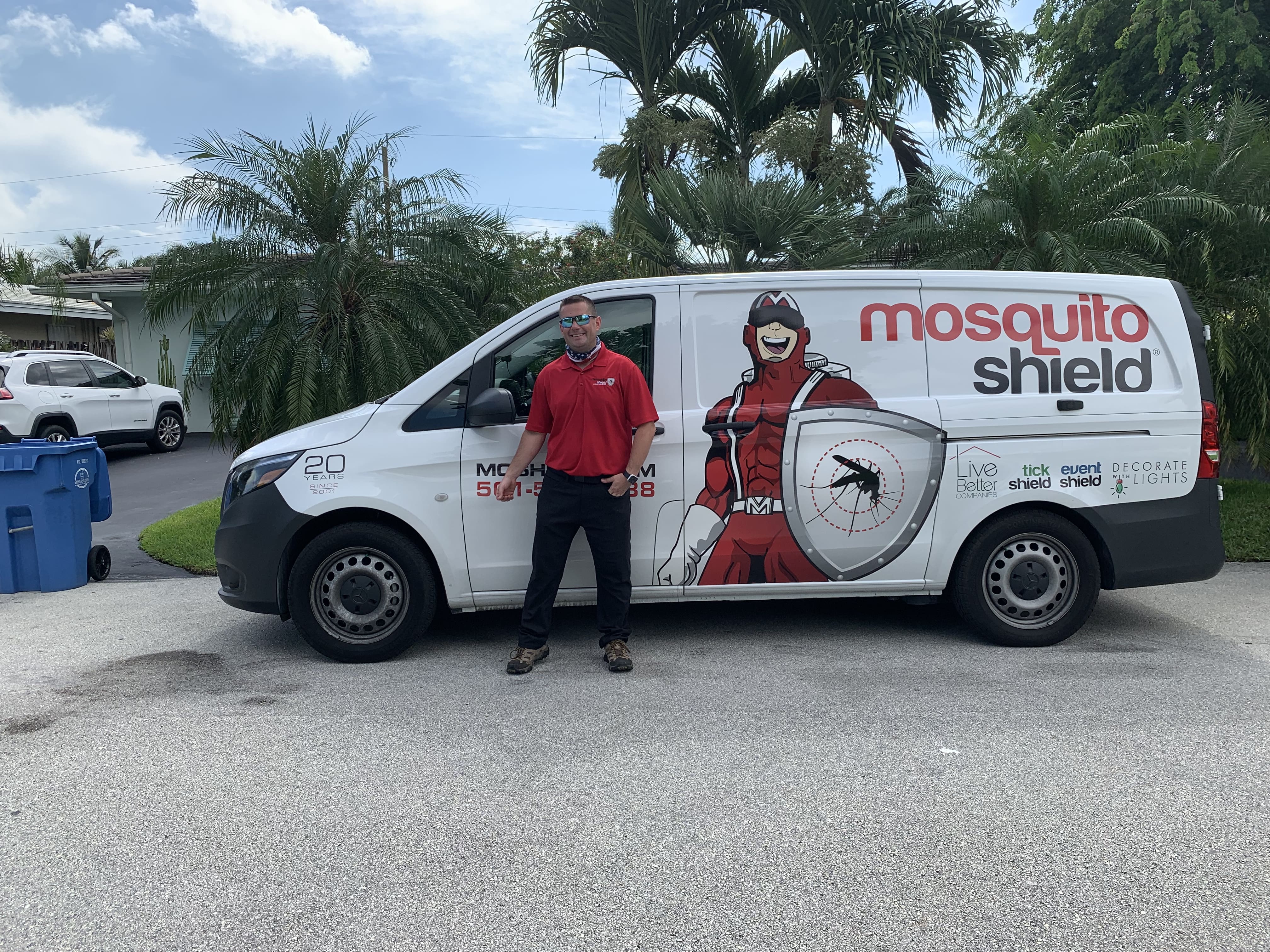
Eric holds a degree in Pest Control Technology from the University of Florida and carries all five Florida pest control license categories: General Household Pest, Rodent, Lawn & Ornamental, Wood Destroying Organisms, and Public Health (License JB313837). He personally developed Mosquito Shield's proprietary Mosquito Protection Blend and has been treating South Florida properties for over a decade. When he is not in the field, he is behind every piece of content on this site.
West Nile virus is detected in Florida every year. Unlike dengue, which requires an infected human host in the transmission chain, West Nile circulates continuously in local bird populations — which means the virus is always present in our environment during mosquito season, regardless of travel or population immunity. Here's what South Florida residents need to know.
How West Nile Virus Circulates in South Florida
West Nile virus maintains itself in a bird-mosquito-bird transmission cycle. Culex mosquitoes feed on infected birds, become infected themselves, then pass the virus when biting other birds — or, occasionally, a dead-end host like a human or horse.
Crows and blue jays are particularly susceptible and often die when infected — which is why a sudden increase in dead corvids is a surveillance marker that public health departments watch. House sparrows and house finches carry the virus without dying, maintaining the reservoir.
In South Florida, peak transmission to humans occurs June through October, following bird migration and peak Culex activity. The vector — Culex quinquefasciatus — is one of the most abundant mosquitoes in Broward and Palm Beach counties, especially near canals, retention ponds, and developed areas.
West Nile Activity in Broward and Palm Beach Counties
Palm Beach County
The Palm Beach County Health Department monitors sentinel chicken flocks at multiple sites across the county. When chickens test positive for West Nile antibodies, it signals active virus circulation in the area — often weeks before human cases appear.
Positive sentinel flock findings have been recorded in locations across Palm Beach County including areas near Boca Raton in multiple recent years.
Broward County
Broward County Mosquito Control operates its own surveillance network. The county actively tests mosquito pools and issues public notices when West Nile activity is elevated in specific districts.
Human cases are reported to the Florida Department of Health and publicly tracked. Broward typically sees fewer cases than larger inland counties but has confirmed West Nile activity most years.
Who Is Most at Risk
Most people who are bitten by a West Nile-infected mosquito will never know it happened — they won't develop symptoms. The serious risk falls in a narrower group:
Adults 60 and older
Age is the strongest predictor of neuroinvasive disease. The risk of developing encephalitis or meningitis increases significantly after 60 and continues climbing with age. If you're 70+ and a mosquito bites you during peak West Nile season, your risk profile is materially different from that of a 35-year-old.
Immunocompromised individuals
Cancer patients on chemotherapy, organ transplant recipients on immunosuppressants, and people with HIV/AIDS face elevated risk of severe outcomes from West Nile infection.
Outdoor workers
Landscapers, construction workers, and others who spend significant daytime and evening hours outdoors during Culex peak activity periods accumulate more bite exposure than the average resident.
People who don't use repellents
This sounds obvious but deserves saying: consistently using an EPA-registered repellent during dusk and nighttime outdoor activity meaningfully reduces bite exposure and therefore risk. Most South Florida residents don't use repellent regularly.
The Culex Mosquito: What Makes It Different
Most South Florida residents are most familiar with Aedes mosquitoes — the aggressive daytime biters (Asian Tiger Mosquito) that ambush you while you're gardening. Culex is different.
Because Culex bites primarily after dark, many homeowners aren't thinking about mosquito protection while they're using their patio in the evening. That's exactly when the exposure happens.
How to Protect Your Family
Use repellent after dark
DEET (25%+), picaridin, or IR3535-based repellents are effective against Culex. Apply before evening patio time, especially June–October when West Nile is actively circulating.
Maintain professional barrier spray
Our treatment targets Culex resting sites — vegetation, fence lines, and dense ground cover. Treated mosquitoes that land on these surfaces die before they can bite. This is the most practical way to reduce evening exposure in your yard.
Eliminate standing water
Culex breeds in water with organic content. Clogged gutters, slow-draining areas, and uncovered water features are primary sources. Addressing these removes local breeding capacity.
Monitor county health alerts
Both Palm Beach County Health Department and Broward County Mosquito Control publish alerts when West Nile activity increases in specific areas. Sign up for local notifications or check their websites during peak season.
See a doctor if neurological symptoms appear
Fever, stiff neck, confusion, sudden severe headache, or vision changes after a period of mosquito exposure in summer warrant immediate medical attention. West Nile neuroinvasive disease is rare but treatable with supportive care when caught early.
Common Questions
Has West Nile virus been detected in Broward or Palm Beach County?+
Yes. Both counties have confirmed West Nile virus activity most years. The Florida Department of Health tracks mosquito pools, sentinel chicken flocks, and human cases by county. Broward and Palm Beach are not the highest-activity counties in Florida (Hillsborough and Orange typically report more cases), but both see confirmed activity annually, primarily during peak mosquito season from June through October.
What are the symptoms of West Nile virus?+
About 80% of infected people have no symptoms. Of those who develop illness, most get West Nile fever: headache, fever, body aches, joint pains, vomiting, diarrhea, or rash. Symptoms typically last 3–6 days. Less than 1% develop neuroinvasive disease (encephalitis or meningitis), which can cause stiff neck, confusion, muscle weakness, or paralysis. Serious illness is most common in adults over 60 and immunocompromised individuals.
Which mosquito transmits West Nile virus?+
The primary vector in Florida is Culex quinquefasciatus — the Southern House Mosquito. It bites infected birds (primarily crows, jays, and house sparrows that carry the virus), then transmits it when it bites humans. Culex mosquitoes are active dusk through night and breed in stagnant water with organic content, like slow-moving canals, storm drains, and clogged gutters.
Is there a vaccine for West Nile virus?+
No human vaccine exists for West Nile virus as of 2026. Prevention relies entirely on reducing mosquito exposure through source elimination, personal repellents, and residential treatment. There is a vaccine approved for horses, which are also susceptible to West Nile neurological disease.
How does reducing mosquitoes on my property help with West Nile risk?+
Your exposure risk comes almost entirely from bites. Keeping adult Culex mosquito populations suppressed in your yard — through barrier spray that kills adults when they land on treated vegetation — directly reduces the number of bites you receive. Fewer bites means lower infection probability. It's a numbers game: West Nile transmission is a probabilistic event that requires a bite from a specifically infected mosquito. Reducing bites by 80% reduces your exposure probability by roughly the same amount.
This post is for educational purposes. For the most current West Nile activity data, consult the Florida Department of Health or your county mosquito control district. If you suspect West Nile illness, contact your healthcare provider.